


.jpg)

In today’s fast-evolving landscape, hybrid experiences are no longer experimental—they’re essential. Consumers expect seamless integration between digital and physical touchpoints, and brands that deliver this fusion with purpose and creativity are winning hearts, minds, and market share. As we look ahead to 2026, the opportunity lies not just in executing hybrid campaigns, but in layering tactics that create immersive, measurable, and memorable brand journeys.
Hybrid experiences work because they reflect how people live: browsing online while commuting, scanning QR codes in-store, attending virtual events from their living rooms, and sharing real-world moments on social media. The UK, with its digitally savvy population and rich tradition of experiential marketing, is primed for innovation in this space.
So how can marketers layer tactics effectively?
- Start with a Physical Anchor, Extend Digitally
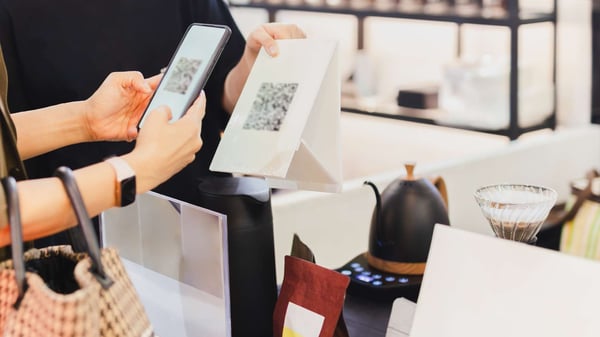
Take a pop-up shop in Manchester’s city centre. Instead of just selling products, use QR codes in displays that unlock exclusive digital content—behind-the-scenes videos, AR filters, or loyalty rewards. This turns a local activation into a national conversation.
- Use Digital to Drive Footfall
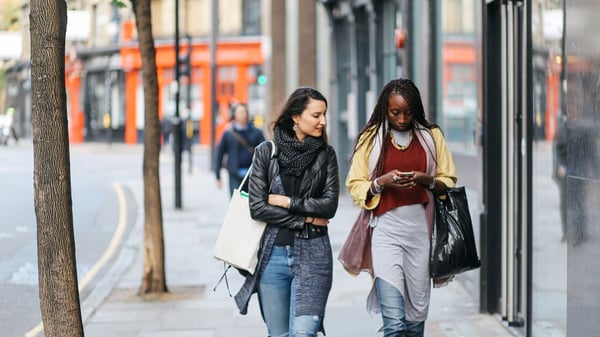
In 2026, expect more brands to use geo-targeted ads and gamified mobile experiences to drive traffic to physical locations. Imagine a London-based fashion brand launching a TikTok challenge that leads users to hidden installations across Shoreditch, each offering a unique digital collectible or discount.
- Layer Live and Virtual Events
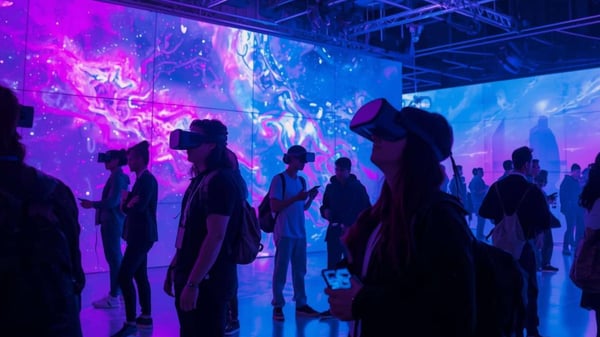
Hybrid events are evolving. A music festival in Bristol might offer a VR livestream for fans across the UK, complete with interactive merch booths and real-time chat. Meanwhile, attendees on-site could use an app to vote on setlists or access artist interviews. The key is to make both audiences feel equally valued.
- Leverage Data for Personalisation
Digital layers allow for rich data capture. A physical product launch in Birmingham could be paired with a digital registration funnel that segments attendees by interest. Post-event, personalised follow-ups—like tailored offers or content—can deepen engagement and drive conversion.
- Create Shareable Moments
British consumers love to share experiences. A hybrid art installation in Edinburgh might include AR overlays accessible via mobile, encouraging visitors to post their interpretations online. This not only amplifies reach but builds community around the brand.
In Summary
Hybrid isn’t about choosing between digital and physical. It’s about orchestrating both to create something greater than the sum of its parts. For UK marketers, the challenge is to think beyond channels and focus on experiences that resonate, scale, and endure.
As you plan for 2026, ask: how can each touchpoint reinforce the next? How can physical presence spark digital engagement—and vice versa? The answers will define the next era of brand-building.

.png)
