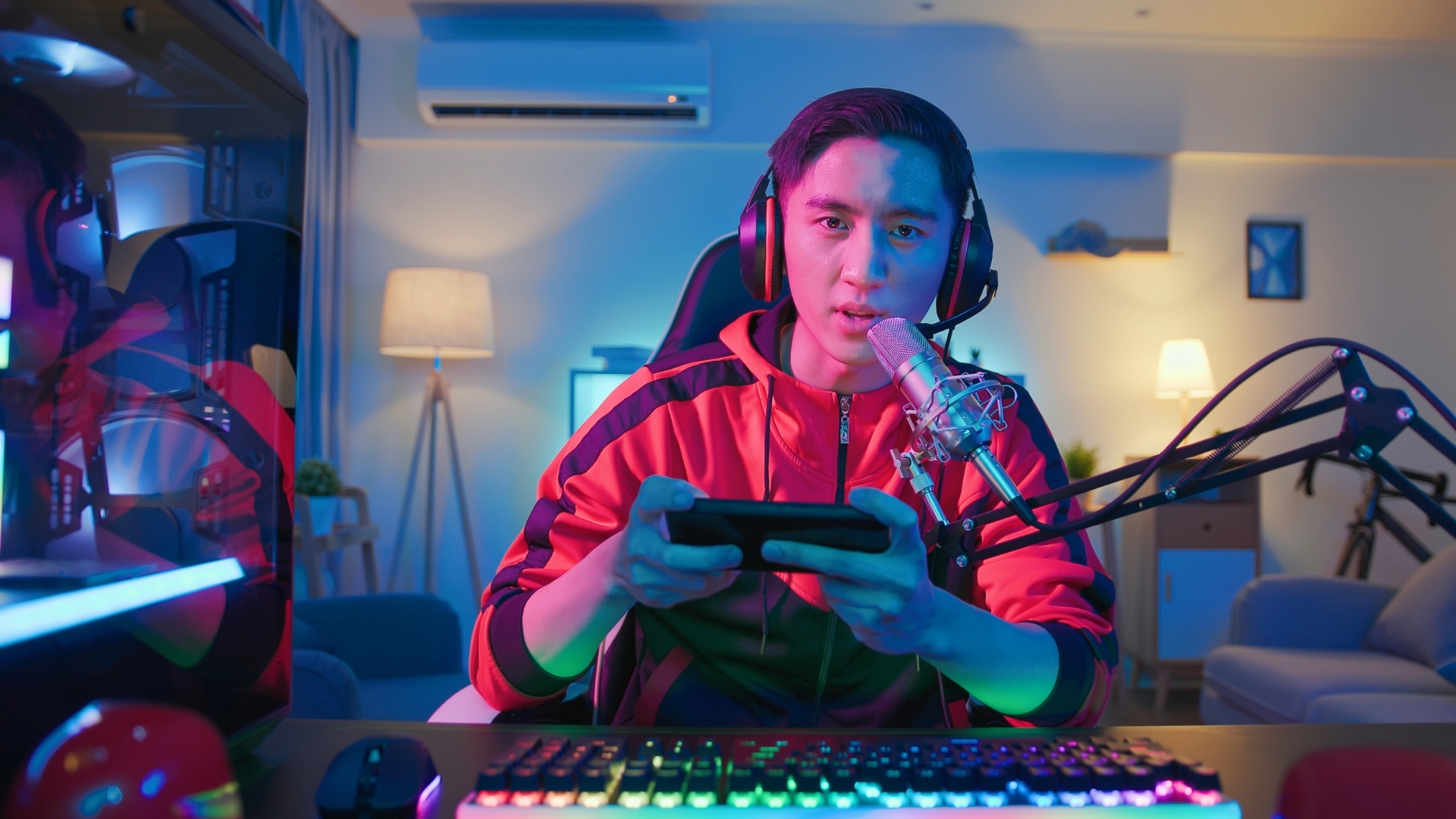
In-game advertising is the practice of placing brand content directly inside a video game environment. Rather than interrupting a player's experience, ads are integrated into the game itself, appearing on billboards, jerseys, walls, and other in-game objects or through display banners and video content. The goal is seamless brand presence, not disruption.
Why Does Gaming Matter to Marketers?
Gaming is a mainstream cultural ecosystem that hosts 3 billion players across demographics. Gamers aged 26–35 spend at least 7.5 hours a week playing games (Limelight, 2020), and 2025 marked the first year of notable revenue growth in the industry since the pandemic, up 7% year-over-year (Newzoo).
The opportunity extends well beyond the game itself. According to Newzoo, 85% of people engage with gaming in some form: 64% consume gaming content, and 35% participate through podcasts, esports, online communities, and content creation. Gaming isn't a hobby. It's a lifestyle.
And the audience may surprise you too. According to Circana's 2024 Gamer Segmentation Report, 71% of U.S. consumers play video games, with strong adoption across all demographic segments. Adults aged 45 and older account for 37% of total U.S. video game players, driven largely by women and growing interest in console gaming. And the average player uses at least three different devices, with 92% playing on a smartphone or tablet.
So, What Exactly Is In-Game Advertising?
In-game advertising places brand content directly inside the gaming environment. Done well, it feels native to the world the player is already in. Think of a billboard along the streets of a car racing game, or a branded jersey on a player's avatar. The goal is seamless integration, not interruption.
What are the Key Formats of In-Game Advertising?
Blended In-Game Ads are the most seamless option, living inside the game environment without disrupting play. They include display banners and video placements on in-game objects like billboards, walls, and jerseys, and are 100% viewable across mobile, PC, and console.
In-Game Audio Ads reach players in their most immersed moments. An audio ad paired with a companion brand icon delivers your message without pulling attention away from the screen. This is typically only available on mobile games and is integrated into the game’s audio.
Gaming Banners come in both display and video formats and serve as a flexible, familiar entry point for brands already running digital campaigns. Within this category, there are a few distinct formats to know:
- Interstitials are full-screen ad experiences that appear during natural pauses in gameplay, like between levels. Because the player is already transitioning, these feel far less disruptive than a mid-action interruption.
- Native Banner Ads follow a format similar to traditional online display ads. It’s important to consider their placement to make sure key components of the game aren’t obstructed.
- Pre-Roll Videos play before a game or level loads, capturing a player's full attention before they dive in. High viewability with a guaranteed impression. This could also be an “ad as a reward”.
- Banner Ads are a straightforward display option that runs alongside the game interface, offering consistent visibility without interrupting the experience. They display relevant brand information aligned with the game on PC and mobile.
Three Reasons to Pay Attention to In-Game Advertising
- Captive audience — players are focused and present in a way most digital environments can't match.
- Brand memorability — natural, repeated exposure inside a game world builds recognition over time.
- Non-disruptive messaging — when done right, in-game ads enhance rather than interrupt the experience.
Which Brands Should Consider In-Game Advertising?
Still not sure if gaming fits your brand? Think about it this way. You're a beverage brand wanting to reach young adults without interrupting their experience. A blended in-game billboard does exactly that. You're launching a new car model and want to show it in action. A racing game puts it on the track. You're an entertainment brand trying to stay culturally relevant. Gaming podcasts, esports sponsorships, and in-game audio all put you inside the conversation. Whatever your objective, there's likely a format in this space that fits.
“Even people who don't consider themselves gamers admit to casual gaming on titles like Candy Crush and Subway Surfers. This high focus environment is perfect for advertisers who value attention, positive contextual alignment, and engagement. Whether the goal is affinity, brand recall, or engagement, there is a gaming ad format that can move the needle for your brand.” says Avi Berkovits, Director of Omnichannel at Wilkins Media.
Whatever your objective, the reach is there. Are you ready to play?