The Front Door Has Moved
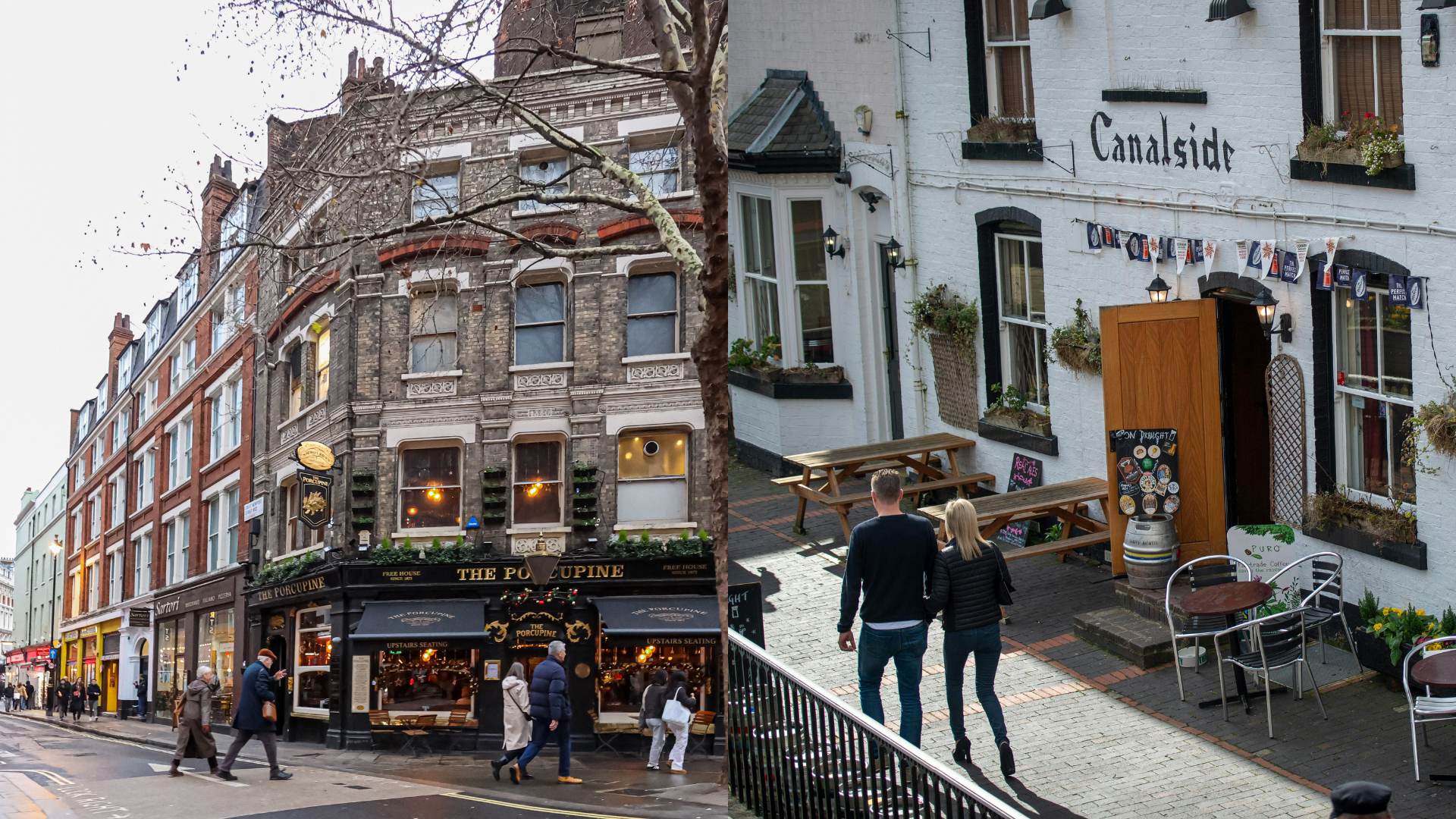
For decades, the front door of a pub, restaurant or hotel was exactly that: the physical entrance on the high street. Today, however, that doorway often begins a few streets away, on a digital screen, a bus shelter panel or a billboard above a busy junction. Out-of-home (OOH) advertising has become a crucial first touchpoint for hospitality brands looking to capture attention and convert passing audiences into paying guests.
Reaching People in the Moment
In a sector where spontaneity and proximity are everything, OOH holds a unique advantage. Hospitality decisions are frequently made in the moment. Someone finishing work might decide where to grab dinner while walking to the station. A group of friends might choose a bar after spotting an enticing cocktail promotion on a screen nearby. Unlike many other forms of advertising, OOH reaches people precisely when they are out in the world and ready to act.
Winning Attention on the High Street
This real-world immediacy makes OOH particularly powerful for hospitality operators on the UK high street. Pubs, cafés and restaurants rely heavily on local footfall, yet competition for attention has never been greater. High streets are evolving spaces where retail, leisure and hospitality blend together, and visibility is key. A well-placed digital screen highlighting a lunchtime offer or a happy hour special can tip the balance in favour of one venue over another.
The Power of Digital Screens
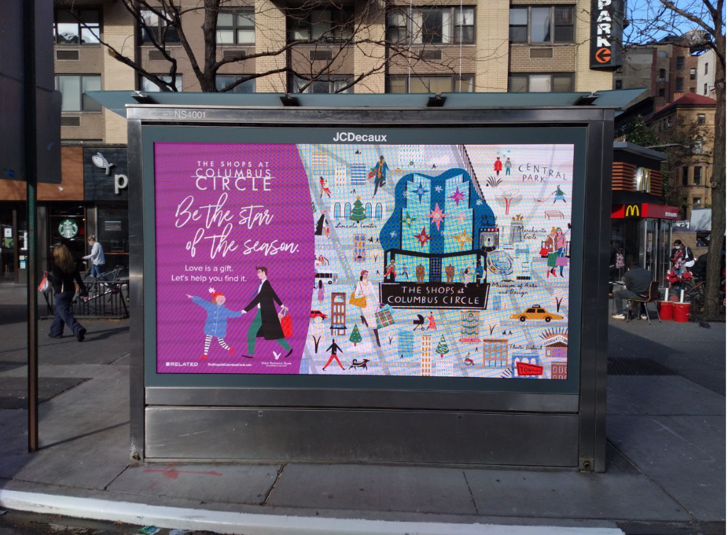
Digital out-of-home (DOOH) has amplified this effect. Screens can now deliver dynamic messages that shift throughout the day. A coffee promotion can run during the morning commute, a lunch deal can appear at midday, and an evening drinks offer can take over the same screen later on. This flexibility allows hospitality brands to align their messaging with real customer behaviour, targeting moments when people are most receptive.
Intercepting the Commuter Journey
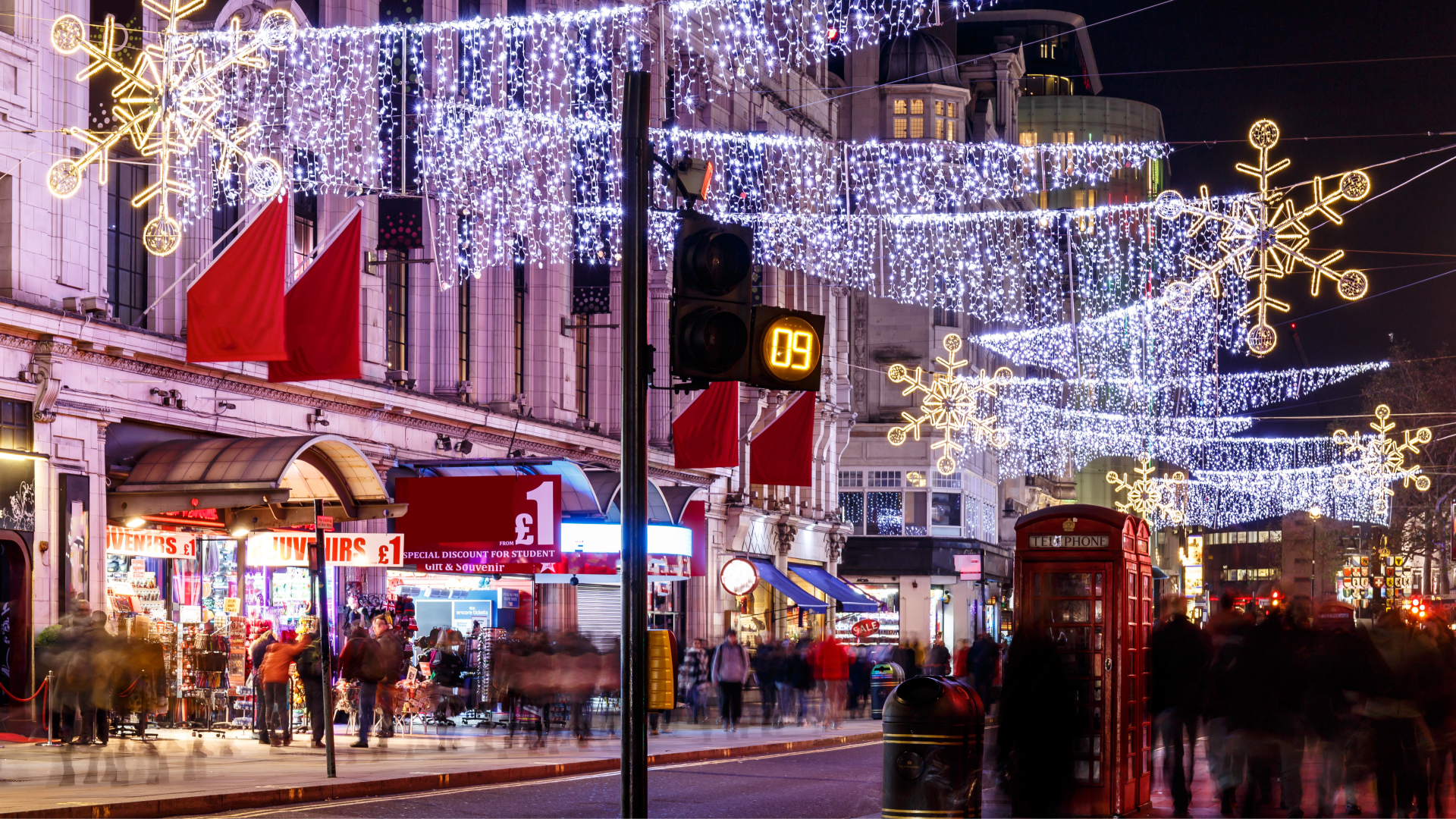
Location is another major advantage. Advertising near transport hubs, commuter routes and nightlife districts allows brands to intercept audiences at decision points. A commuter emerging from a busy station is likely to notice a nearby dining offer. OOH thrives in these high-intent environments, where people are already thinking about where to go next.
Building Presence in the Community
There is also a broader strategic benefit. As the hospitality sector continues to recover and evolve, visibility on the high street has become part of brand-building as much as customer acquisition. Consistent OOH presence helps venues establish themselves as part of the local landscape. Over time, a restaurant or pub becomes familiar not only because people have visited it, but because they repeatedly see it in the spaces they move through every day.
From Awareness to Action
Importantly, modern measurement tools are helping bridge the gap between exposure and action. For example footfall attribution and sales lift studies allow marketers to better understand how campaigns influence real-world visits. For hospitality brands, this means OOH can increasingly be evaluated not just as a branding channel, but as a driver of measurable outcomes.
The Real New Front Door
Ultimately, in a crowded hospitality market, being visible in the right place at the right time can make all the difference. The front door of a venue is no longer just the physical entrance on the high street. Increasingly, it is the screen that catches a passerby’s eye and invites them inside.