Spring break in the United States is a cultural phenomenon, with approximately 1.8 million people hitting the road annually. With 65% of spring breakers aged between 18 and 24, the younger generations are leading the charge in travel trends. Popular destinations like Florida, Mexico, and California see an influx of visitors, and about 52% of these travelers opt for car trips over flying or other transportation. With the average vacation costing around $1,200 per person and 18% of travelers leveraging travel reward points, marketers have a significant opportunity to engage audiences throughout the consumer journey (ZipDo).
Planning Stage: TikTok and Influencer Impact
The first touchpoint in any road trip begins long before the engine starts. For Gen Z and Gen Alpha, TikTok has emerged as a primary search tool. In fact, 40% of Gen Z travelers prefer searching on TikTok over Google, and 72% equate “Googling” with TikTok searches (Hotelagio). This shift highlights the importance of social-first strategies in the planning stage.
Influencers also play a major role in travel decisions. Studies show that 78% of Americans are inspired to travel by influencers, with 52% following their recommendations. Among those under 40, 73% have actually booked a trip based on influencer content (Hotelagio). Integrating programmatic ads and influencer partnerships can capture attention during this early planning phase, setting the stage for brand engagement even before departure.
The Travel Stage: Out-of-Home Opportunities
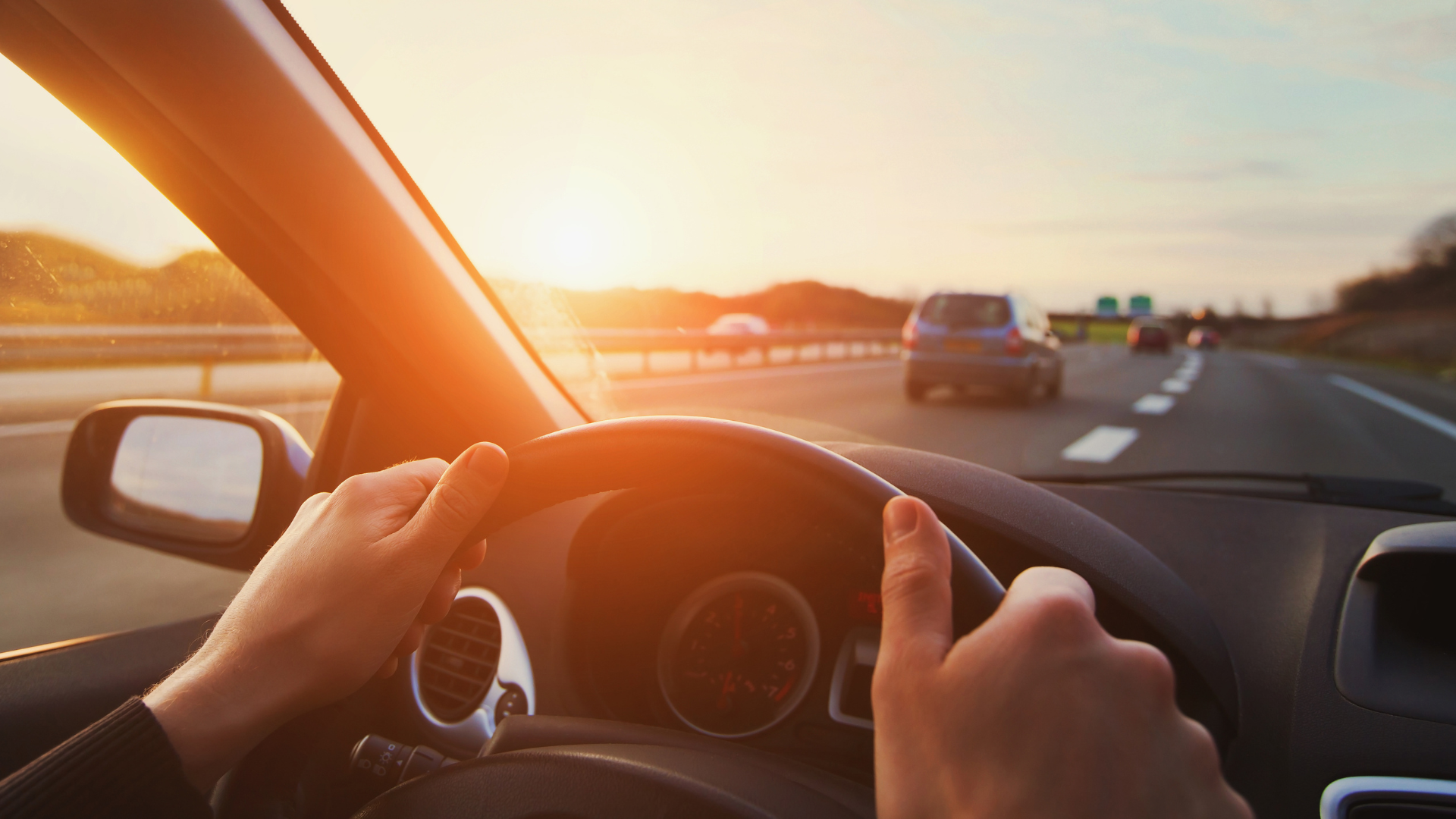
Once travelers hit the road, touchpoints multiply. Traditional out-of-home (OOH) advertising—including highway billboards, rest area signage, and gas station TV—along with in-car streaming audio and EV charger screens, create multiple opportunities to engage a captive audience. Road trips accounted for 37% of spring break vacations last year, according to AAA, making the travel stage a prime moment for brands to connect (AAA, 2025).
EV chargers, in particular, offer dynamic, location-based messaging to travelers pausing to recharge, reaching a growing segment of Gen Z and Gen Alpha drivers. Similarly, in-car audio provides a personalized channel to deliver promotions, music tie-ins, and local recommendations, blending seamlessly into the road trip experience. Mobile apps for navigation, music, and fuel or charging locations also provide additional touchpoints, allowing brands to deliver timely and contextually relevant messaging throughout the journey.
Top Destinations: Where Are Travelers Heading?
Knowing where travelers are going is essential for effective marketing. AAA’s 2025 data shows the top spring break destinations in the U.S.:
- Orlando, FL
- Ft. Lauderdale, FL
- Atlanta, GA
- Miami, FL
- New York City, NY
- Honolulu, HI
- Anaheim, CA
- Tampa, FL
- Chicago, IL
- Charlotte, NC
Marketers can leverage this data to place OOH ads, programmatic campaigns, and local activations strategically along popular routes and near key destinations.
Arrival Stage: Reaching Travelers at Their Destination
Once travelers arrive at their spring break destinations, the opportunities for engagement shift from the road to the local environment. Wildpostings and bar media are highly effective for reaching audiences in nightlife hubs, creating immersive and eye-catching brand experiences where young travelers socialize. Similarly, grocery store and convenience store ads, especially for snacks, beverages, and travel essentials allow brands to engage audiences at points of purchase.
Hotels can also provide high-impact, high-frequency touchpoints throughout a guest’s stay. Elevator screens, lobby screen networks, and standees deliver visibility during peak traffic moments, while room keys, door hangers, and door drops extend messaging directly to the guest. In-room screens, TV tents, and connected TV allow brands to drive interaction and action, creating a seamless destination experience from check-in to checkout.
By combining location-based outdoor media, in-store placements, and hotel touchpoints, marketers can extend their reach beyond the journey itself, influencing purchases and experiences throughout the trip.
Conclusion: A Seamless Consumer Journey
From TikTok inspiration to the EV charger pit stop, the modern spring break road trip is dotted with opportunities for brands to connect with their audience. By combining programmatic ads, influencer content, OOH campaigns, and in-car audio, marketers can influence decisions at every stage—planning, traveling, and experiencing. The convergence of technology, mobility, and younger generations’ preferences is redefining how we reach travelers, making every mile a chance to leave an impression.